DOWA Holdings · Year ended March 2026
At DOWA, zinc-smelting residue becomes feedstock.
Residue left after extracting zinc becomes feedstock at Kosaka Smelting & Refining. Used computer circuit boards arrive there too. DOWA connects materials from different places with processes that can recover their metals. Several plants work together to do the job.
What one process leaves behind can feed another
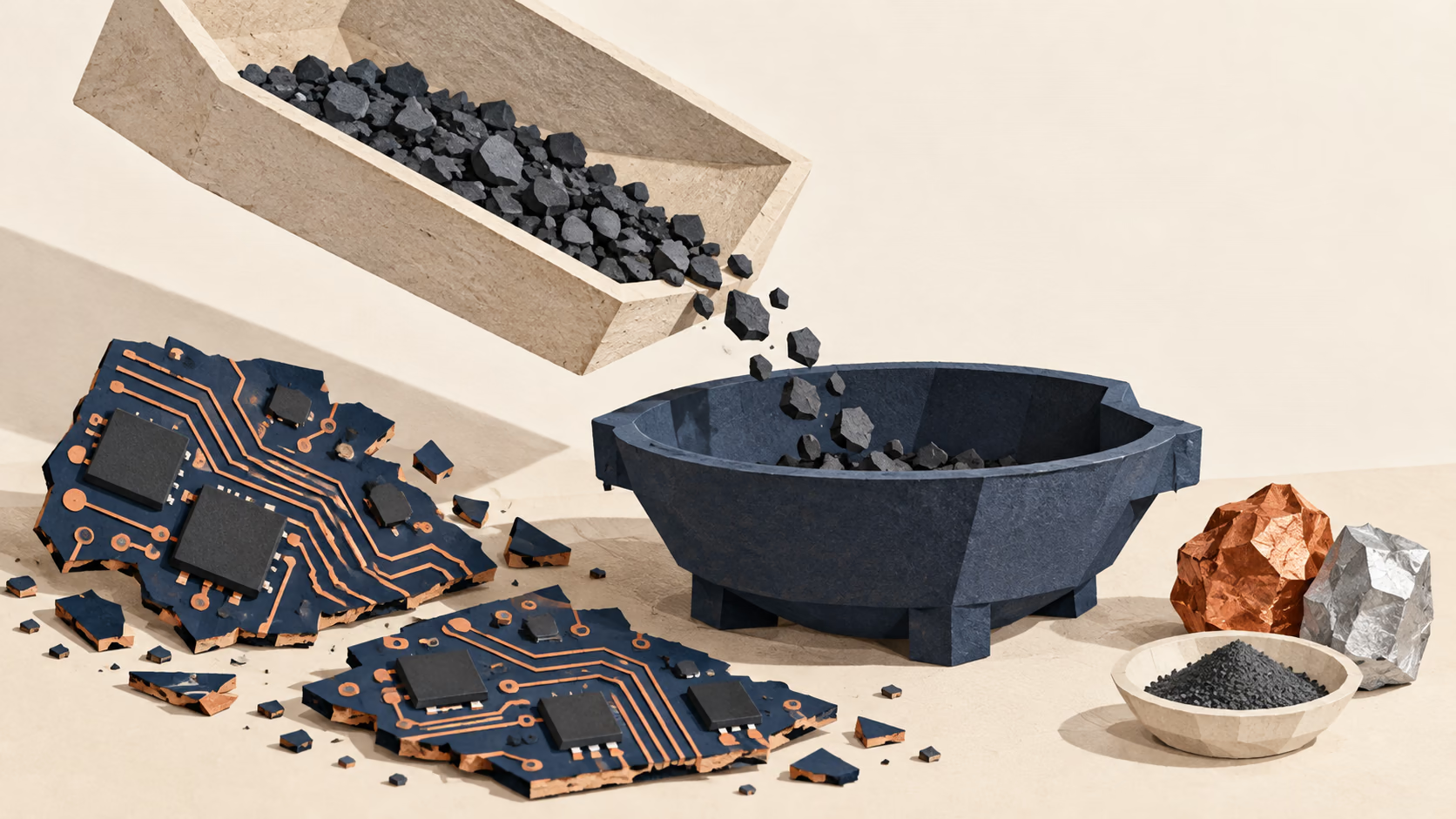
Accept materials, recover metals, shape their properties
The smelting network and related businesses, viewed through what they do to materials.
- Source feedstockUsed circuit boards, smelting residues and spent catalysts
- Recover metalsOver 20 metal types across multiple smelters
- Shape propertiesPurification and powder control for electronic-material applications
Feedstock, sales and profit move differently
Two profit measures move in opposite directions
Nonferrous Metals, year ended March 2025 → March 2026. Company presentation figures. Operating and ordinary profit are different measures and must not be added together.
Higher metal prices meet purchasing terms and mine earnings
After recovery comes the work of shaping properties
Keeping the processes running takes materials and funding
THE VIEW AFTER THE NUMBERS
What the numbers suggest
DOWA’s smelters form a network that accepts other processes’ residues and used products as feedstock for recovering metals. Alongside it, materials operations work on the particle sizes and purity customers need.
In the year ended March 2026, Nonferrous Metals operating profit fell while ordinary profit rose with help from mine-related non-operating earnings. Investment-security disposal gains contributed to group net income, while an increase in inventories reduced operating cash flow.
Recovering metals, earning profit and funding the process are three connected tasks. The technology linking the plants has to work alongside the commercial and financial conditions that keep those plants running.
Primary sources used
Nonferrous Metals: DOWA Metals & Mining
DOWA Holdings
Open source →Business Model & Strength
DOWA Holdings
Open source →Electronic Materials: DOWA Electronics Materials
DOWA Holdings
Open source →Consolidated Financial Results for the Year Ended March 31, 2026
DOWA Holdings · 2026-05-14
Pages used: p.6 / p.10
Open source →Fiscal 2025 Supplementary Information
DOWA Holdings · 2026-05-14
Pages used: p.6 / p.7 / p.7-8 / p.8
Open source →FY2025 Corporate Strategy Briefing
DOWA Holdings · 2026-05-25
Pages used: p.20
Open source →