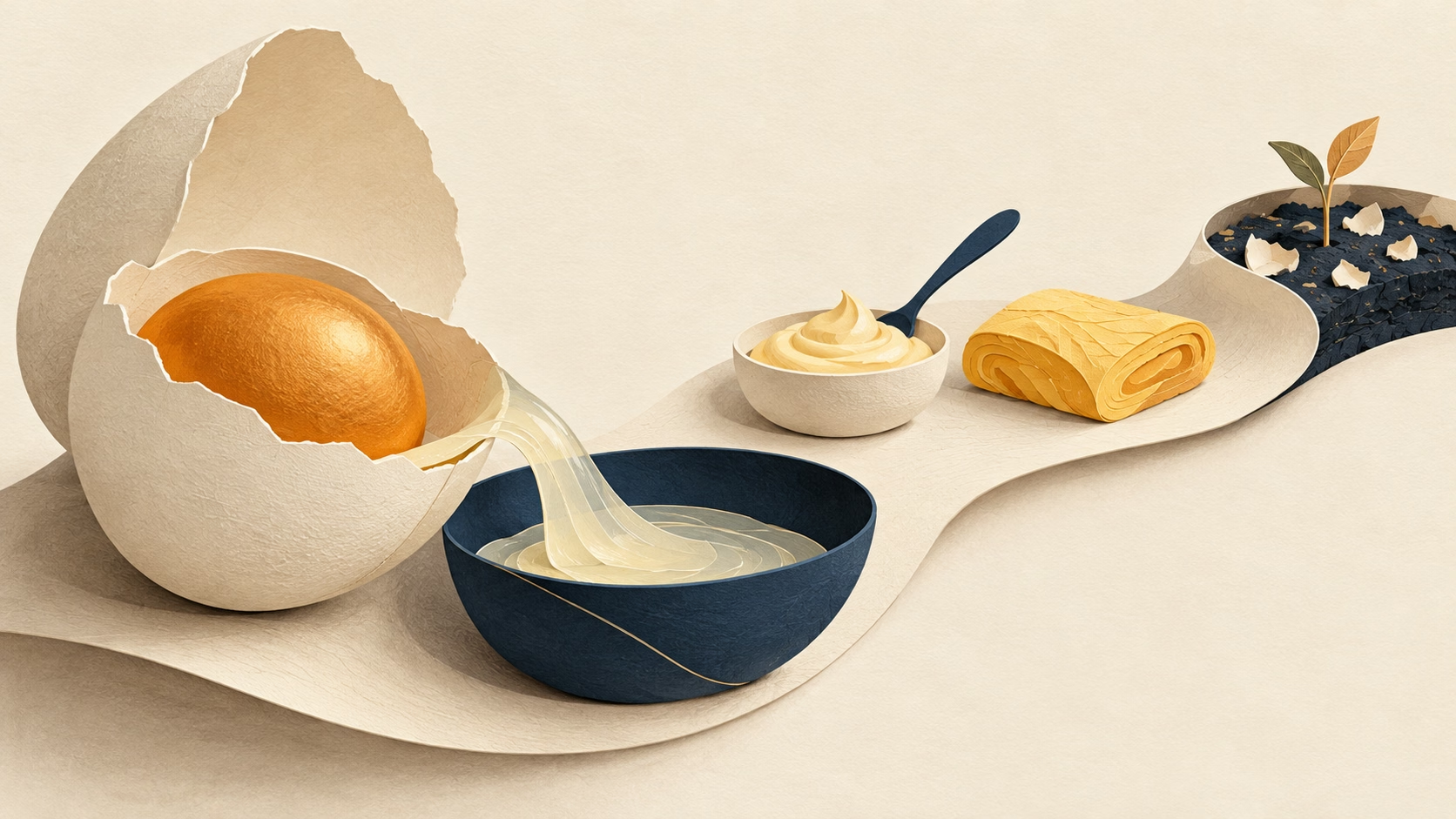
After the egg is cracked, Kewpie’s work branches out.
Crack an egg and use the yolk in mayonnaise. The white and shell still have other destinations. Kewpie’s work with eggs continues beyond making that one product.
Using the parts of an egg and adapting products to customer preparation.
Egg knowledge and processingMayonnaise and food-service production
Use the different partsYolks for mayonnaise; whites for food ingredients
Fit the kitchenLiquid eggs, prepared products and texture after heating or thawing
Find uses for the shellSoil conditioners and calcium materials, among other uses
A summary of uses, not an accounting segment map or a measure of profit contributed by each application.
Egg sales rose while category profit fell
DATA VIEW
Two movements within the same egg category
Year ended November 2025. Rounded company presentation figures. Sales and business profit are different measures.
¥115.8bnNet salesYear on year: +14%
¥6.2bnBusiness profitYear on year: −18%
Processing expertise does not set raw-material prices
The work around eggs sits inside a broader group
THE VIEW AFTER THE NUMBERS
What the numbers suggest
Kewpie’s egg operations combine finding multiple uses for one raw material with processing it into a form customers can use. Following the yolk, white and shell leads from mayonnaise to other foodmakers and professional kitchens.
More applications do not automatically absorb higher raw-material prices. In FY2025, the food-service egg category’s sales rose 14%, while business profit fell 18%.
Making more of an egg, making it easier to use and reflecting changing costs in prices are connected operating tasks. Behind a familiar bottle of mayonnaise, food production and margin management meet.
For the year ended December 2025, Kagome reported consolidated revenue of ¥294.2bn and company-defined business profit of ¥22.6bn. Domestic processed foods generated ¥157.3bn in revenue and ¥15.5bn of business profit; the International segment generated ¥129.8bn and ¥9.2bn respectively. International activities include ¥69.6bn in primary tomato/vegetable processing and ¥63.6bn in secondary products such as pizza sauces, with intrasegment adjustments preventing a simple sum. The group expanded US tomato processing by consolidating Ingomar in 2024, but International segment revenue fell 13.0% and business profit 33.4% in 2025, amid weaker world tomato paste pricing. Kagome's story begins with tomato cultivation in 1899 and tomato-sauce production in 1903: today it sells directly to Japanese households and supplies ingredients used in other companies' food products around the world.